

How do I create a marketing plan?

Marketing Strategy · 4 min read
You do not need a 50 page marketing plan.
Honestly, you probably do not even need a 20 page one.
A good marketing plan should make it clear what you are trying to achieve, who you are trying to reach, what you are going to do, what you are going to spend and how you will know if it is working.
That is it.
Here is how I would approach it.
01. Start with the goal
Before you start thinking about LinkedIn, SEO, email or paid ads, ask yourself:
What actually needs to happen?
Start with the business goal and work backwards.
Maybe you need to:
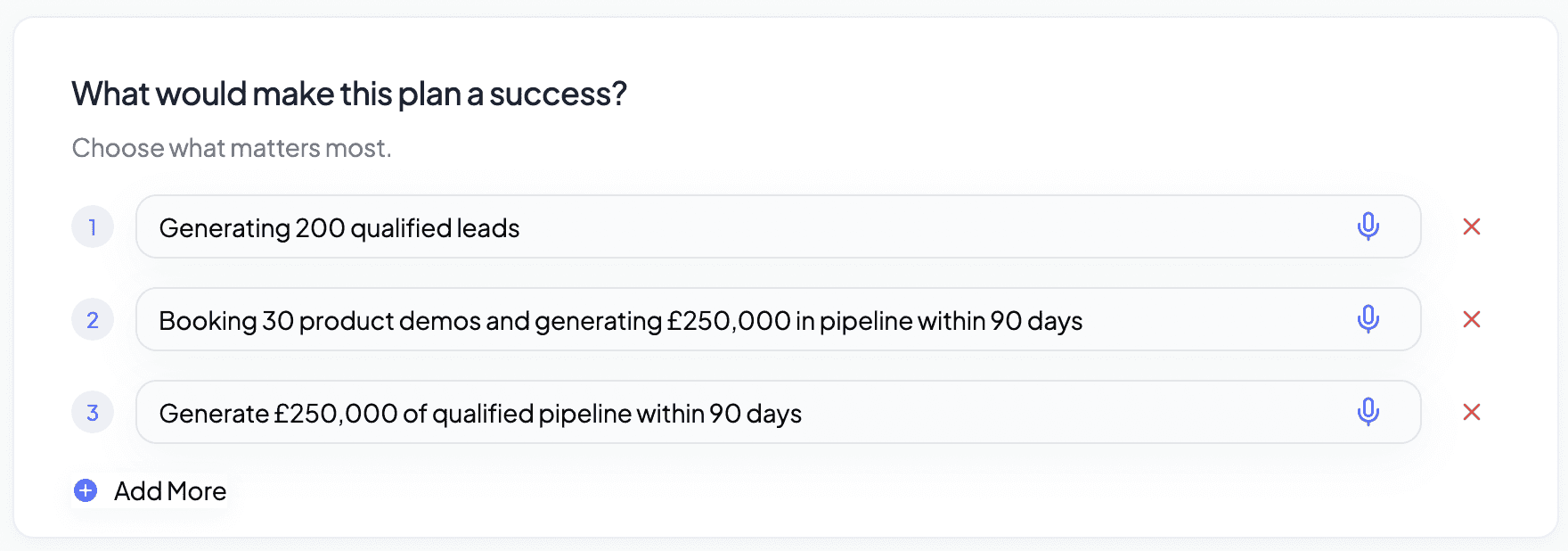
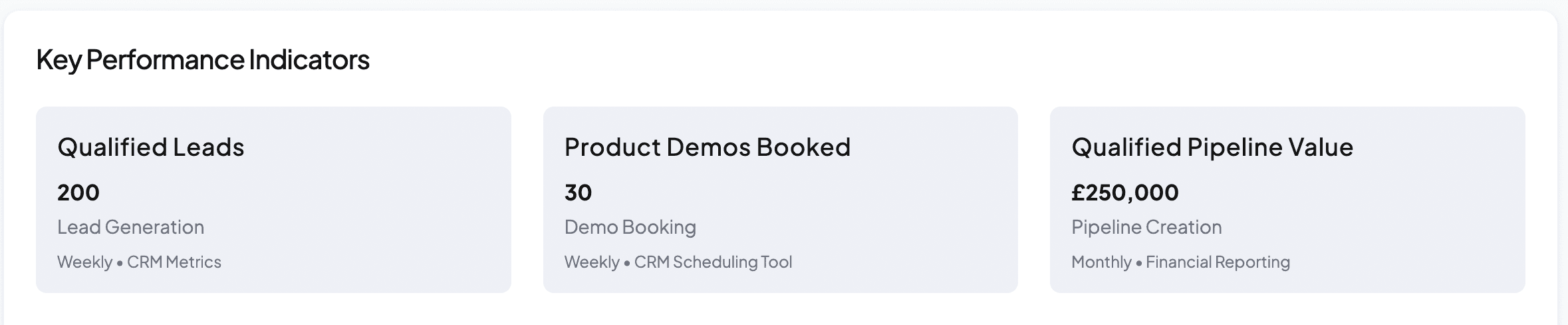
• Generate 200 qualified leads
• Increase sales by 20%
• Launch a new product
• Enter a new market
• Increase organic traffic
The more specific you can be, the better.
“Get more leads” does not tell your team very much.
“Generate 200 qualified leads in six months” does.
It gives everyone something to work towards.
02. Get clear on who you are talking to
This sounds obvious, but it is one of the easiest parts of marketing to overcomplicate.
You do not need a 20 page customer persona.
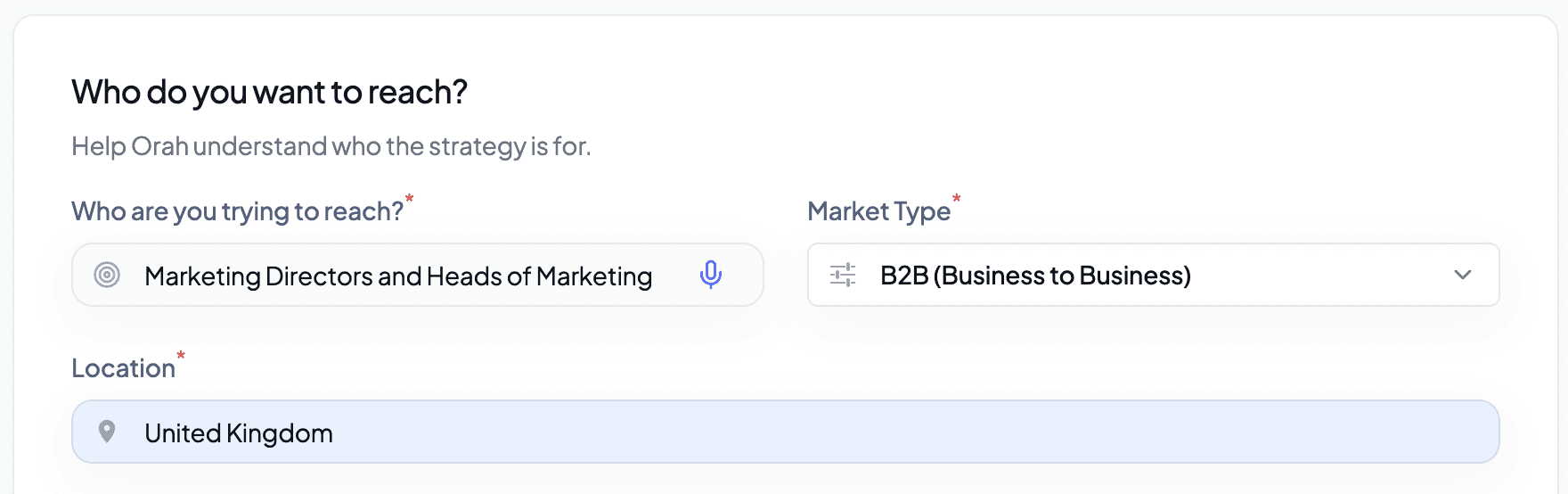
You just need to understand the person you are trying to reach.
Ask yourself:
Who are they?
What do they need?
What problem are they trying to solve?
What influences their decision?
Where do they go for information?
And if you are working in B2B, remember that the person using your product might not be the person buying it.
Keep it useful.
The point is not to create a beautiful persona document.
The point is to make better marketing decisions.
03. Give people a reason to choose you
Now ask:
Why should someone choose you?
You should be able to explain three things clearly.
The problem
What are you solving?
The value
What does the customer actually get?
The difference
Why should they choose you instead of another option?
You do not need a complicated positioning statement.
If your positioning makes your marketing harder to understand, it probably needs simplifying.
04. Choose your channels
This is where people often jump in too early.
Someone says:
“We need to be on LinkedIn.”
Or:
“We should start doing TikTok.”
But the channel should come after the audience and the objective.
Your options could include:
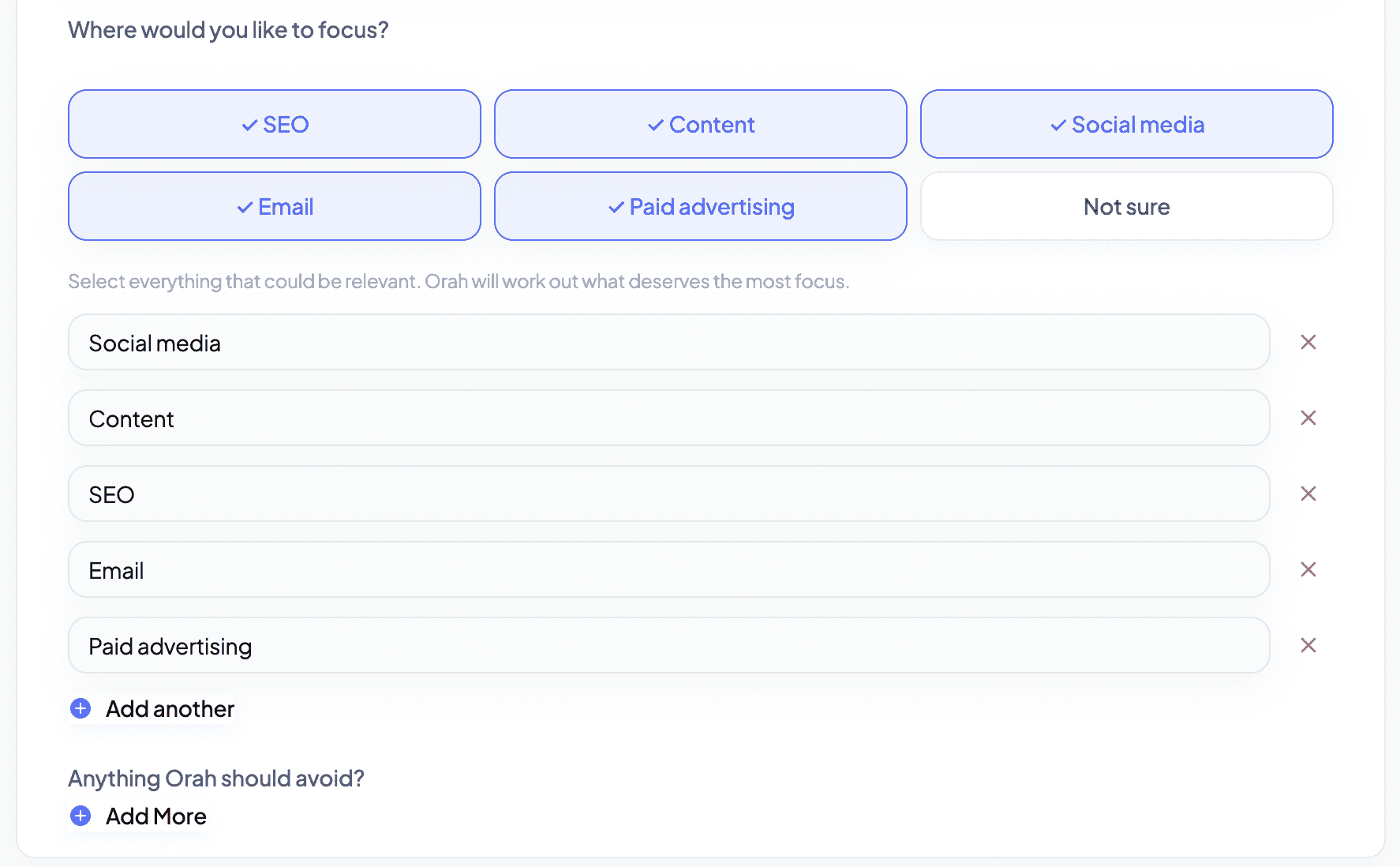
SEO · LinkedIn · Email · Paid Search · Paid Social · Content · Events · PR · Partnerships
You do not need all of them.
Choose the channels where your audience is actually paying attention and where you have a realistic chance of getting results.
A simple way to think about it is:
Audience → Objective → Channel
Then turn the channel into actual activity.
For example:
SEO
Publish useful articles around the searches your audience is making.
Share useful content consistently.
Build a newsletter and nurture people who are not ready to buy yet.
Events
Go where your audience is and actually follow up afterwards.
05. Budget, timing and measurement
This does not need to be complicated.
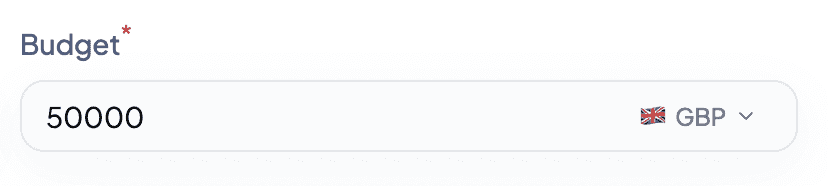
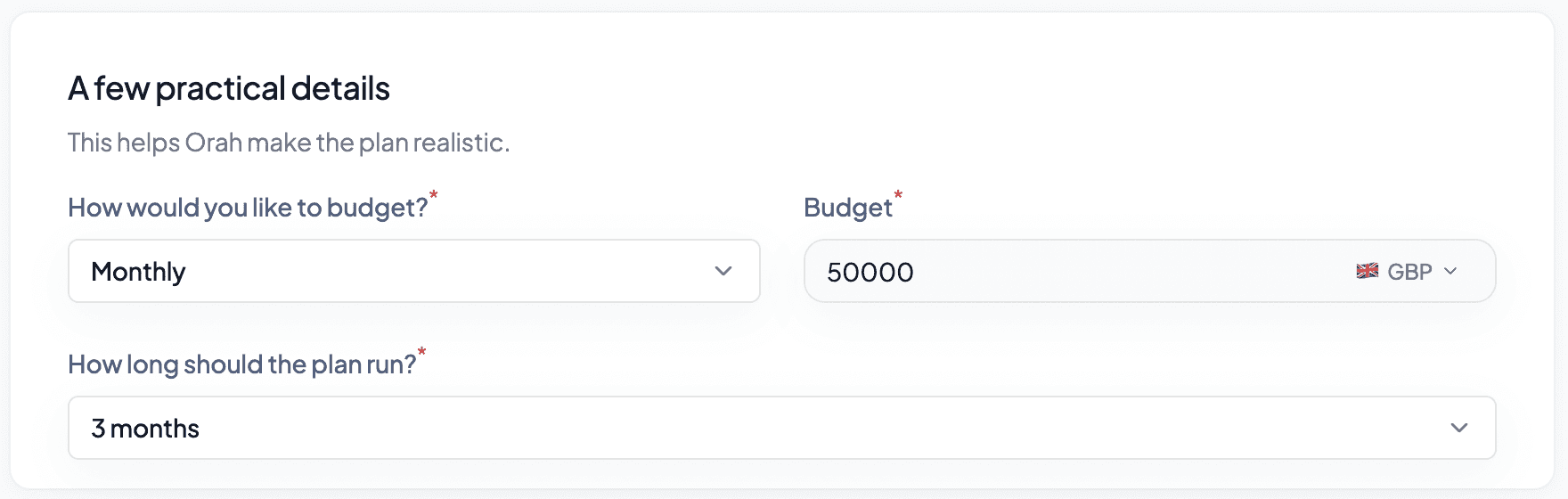
Start with what you can realistically spend and decide where that money is most likely to make a difference.
For example:
Activity | Budget |
|---|---|
Paid media | £15,000 |
Content | £8,000 |
Events | £5,000 |
SEO | £4,000 |
Software | £3,000 |
Total | £35,000 |
You do not have to spend the same amount everywhere.
If something is working, put more behind it.
If something is not working, stop and rethink it.
Give the plan a timeframe
You do not need to plan every single day of the year.
A simple quarterly view is often enough.
Q1
Audience research, positioning and foundations.
Q2
Content, campaigns and your first major activity.
Q3
Look at what is working and put more behind it.
Q4
Review the results and decide what to do next year.
Everyone just needs to know what is happening and when.
Decide what success looks like
Do not measure everything just because you can.
Pick the numbers that actually tell you whether you are getting closer to your goal.
That could be:
• Qualified leads
• Pipeline
• Revenue
• Conversion rate
• Cost per lead
• Organic traffic
• Website conversions
• Customer acquisition cost
If your goal is 200 qualified leads, your plan should make it easy to see whether you are getting there.
Keep it simple
A useful marketing plan really comes down to six questions:
What are we trying to achieve?
Who are we trying to reach?
Why should they choose us?
How are we going to reach them?
What are we going to spend?
How will we know if it is working?
You do not need pages and pages of strategy to answer those questions.
You need a plan your team can actually understand, use and act on.
You do not need to start from a blank page. Orah Marketing can create the first version of your marketing plan for you, giving you a clear starting point you can build on.